
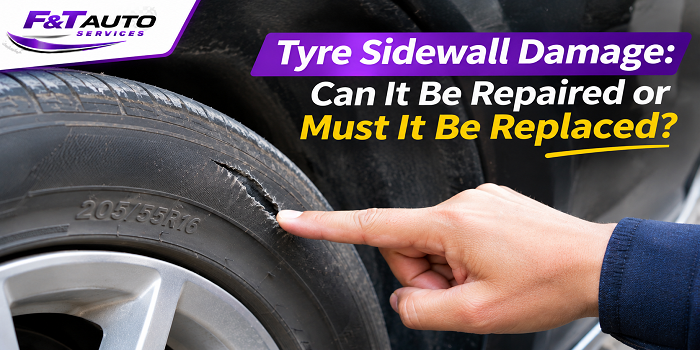

Have you noticed a cut, crack, or bulge on the side of your car tyre? Even if the tyre is still holding air, visible sidewall damage should never be ignored. The sidewall is an important part of the tyre’s structure, and damage in this area can affect its ability to support the vehicle safely.
One common question among drivers is whether a damaged tyre sidewall can be repaired or whether the entire tyre needs replacement. The answer depends on the type and severity of the damage, but structural sidewall damage generally cannot be repaired safely.
In this guide, we explain the different types of tyre sidewall damage, what causes them, when replacement is necessary, and what you should do if you notice a problem.
Can a Damaged Tyre Sidewall Be Repaired?
In most cases, a tyre with structural sidewall damage must be replaced rather than repaired. Unlike some small punctures in the central tread area, sidewall damage affects a part of the tyre that flexes continuously while driving.
Bulges, deep cuts, exposed internal cords, and sidewall punctures are serious warning signs. Do not continue driving on a tyre with these defects. Arrange a professional inspection and replacement if required.
Minor superficial marks may not always indicate structural damage, but only a proper inspection can determine whether the tyre is safe to use.
What Is the Sidewall of a Tyre?
The sidewall is the outer section of a tyre between the tread and the bead, which sits against the wheel rim. It contains important structural components and is designed to flex as the vehicle moves over different road surfaces.
The sidewall performs several important functions:
- Supports the vehicle’s weight.
- Helps absorb road impacts and vibrations.
- Protects the internal tyre structure.
- Displays important information such as tyre size, load rating and manufacturing date.
- Allows the tyre to flex during steering and driving.
Because the sidewall continuously bends and flexes, damage in this area can become serious. This is why sidewall defects require careful inspection.
5 Common Types of Tyre Sidewall Damage
Not all tyre damage looks the same. Here are five common problems drivers should recognise.
1. Sidewall Cuts and Deep Scratches
Cuts can develop when a tyre comes into contact with sharp objects, broken road edges, kerbs or other obstacles.
A minor surface scratch may only affect the outer rubber. However, a deep cut that exposes the internal cords or structural layers indicates serious damage.
If you notice a deep cut, avoid driving on the tyre until a professional has inspected it.
2. Cracks on the Tyre Sidewall
Small cracks may appear on the sidewall as tyres age. Prolonged exposure to sunlight, heat, environmental conditions, and incorrect storage can contribute to rubber deterioration.
Cracking can also become more noticeable when tyres are old or have been used under unsuitable conditions.
Pay attention to:
- Deep or spreading cracks.
- Cracks around the tyre circumference.
- Rubber that appears brittle or deteriorated.
- Cracks exposing internal reinforcement material.
Minor superficial ageing marks are not automatically a reason for replacement, but deeper cracks require professional assessment.
3. Sidewall Bulges or Blisters
A bulge is an outward swelling on the tyre sidewall. It can indicate that the internal structural cords have been damaged, allowing air pressure to push the outer rubber outward.
Common causes include hitting a pothole, striking a kerb or driving over a sharp road edge.
Can a tyre with a sidewall bulge be repaired?
No. A structural sidewall bulge cannot be safely repaired. The tyre needs replacement because the damaged structure may fail suddenly.
If you notice a bulge, avoid driving on the tyre and arrange roadside assistance or a safe replacement.
4. Punctures on the Tyre Sidewall
A nail, screw, or sharp object can sometimes penetrate the sidewall instead of the tread.
This is different from a puncture in the central tread area. The sidewall flexes significantly while driving, making a repair in this location unsafe in normal tyre repair practice.
If you notice an object embedded in the sidewall, do not remove it yourself. Avoid driving on the damaged tyre and get professional assistance.
Drivers looking for tyre puncture repair Dubai should understand that not every puncture is repairable. A technician must inspect the location, size, and internal condition of the damage before recommending a repair or replacement.
5. Sidewall Damage After Hitting a Pothole
Potholes can cause more than visible scratches or cuts. A strong impact can damage the tyre’s internal structure, sometimes without leaving an obvious mark on the outside.
You may notice:
- A new bulge on the sidewall.
- Loss of tyre pressure.
- Unusual vibration.
- A visible cut or deformation.
- Damage to the wheel rim.
If your vehicle experiences a strong impact, have the tyre and wheel inspected even if the tyre initially appears normal.
Can You Repair a Sidewall Puncture?
In general, sidewall punctures are not considered safely repairable. The sidewall bends repeatedly during normal driving, and a repair in this area may not maintain the tyre’s structural integrity.
However, some punctures in the central tread area may be repairable, depending on the puncture size, location, tyre condition, and applicable repair standards.
Here is a simple comparison:
| Type of damage | Recommended action |
| Small puncture in repairable tread area | Professional inspection; repair may be possible |
| Sidewall puncture | Replace the tyre |
| Sidewall bulge | Replace the tyre |
| Deep sidewall cut | Replace if structural layers are affected |
| Exposed internal cords | Replace the tyre |
| Minor superficial surface marks | Professional assessment |
A proper puncture inspection may require removing the tyre from the wheel to examine its internal condition. Never assume that a temporary plug or sealant makes every puncture safe.
Sidewall Damage vs Tread Damage: What’s the Difference?
Understanding the difference between the tread and sidewall helps drivers make better decisions about tyre safety.
Tyre tread: The tread is the outer surface that makes contact with the road. It contains grooves and patterns that help provide grip and channel water away.
Tyre sidewall: The sidewall is the outer side section that connects the tread to the wheel rim. It supports the tyre structure and flexes while driving.
Some small punctures in a suitable tread area can be repaired following a professional inspection. Structural damage to the sidewall generally requires replacement.
This distinction is important because a tyre that looks repairable from the outside may still have internal damage.
What Causes Tyre Sidewall Damage?
Several factors can contribute to sidewall damage.
1. Potholes and road impacts: Hitting deep potholes or sharp road edges can damage internal tyre components.
2. Contact with kerbs: Repeatedly rubbing or striking kerbs while parking can create cuts and scratches.
3. Incorrect tyre pressure: Underinflated tyres can experience excessive sidewall flex and heat buildup, increasing the risk of damage.
4. Vehicle overloading: Carrying more weight than the tyre’s rated capacity can put additional stress on the tyre structure.
5. Ageing and environmental exposure: Prolonged exposure to heat, sunlight and unsuitable storage conditions can contribute to rubber deterioration.
What Should You Do If Your Tyre Sidewall Is Damaged?
If you notice damage, follow these precautions:
- Stop safely: If the tyre has a bulge, deep cut, exposed cords or visible structural damage, do not continue driving on it.
- Avoid removing embedded objects: A nail or other sharp object may be preventing air from escaping quickly.
- Do not attempt a DIY repair: Temporary sealants and plugs are not suitable solutions for structural sidewall damage.
- Arrange a professional inspection: Ask a qualified technician to assess the tyre and wheel.
- Replace the tyre if necessary: Follow the vehicle manufacturer’s recommendations for replacement size, specification and compatibility.
If you notice vibration after replacing a damaged tyre, a technician may recommend a wheel balancing service in Dubai to check the wheel and tyre assembly. Balancing can address weight distribution issues, but it cannot repair sidewall damage.
How to Prevent Tyre Sidewall Damage
Although not every incident can be avoided, a few regular maintenance habits can reduce the risk of tyre damage.
- Maintain the recommended tyre pressure.
- Avoid driving over potholes and sharp road edges where possible.
- Park carefully to reduce repeated contact with kerbs.
- Do not overload your vehicle.
- Inspect the sidewalls regularly for cuts, cracks and bulges.
- Check tyres before long journeys.
- Replace tyres that show serious structural damage.
Dubai’s high temperatures can add stress to tyres, so regular pressure and condition checks are particularly useful. Always follow the vehicle manufacturer’s pressure recommendations and inspect tyres when they are cold.
Choosing Professional Tyre Services in Dubai
When you notice sidewall damage, choosing the right service provider is important. Look for technicians who inspect the tyre carefully, explain the problem clearly and recommend replacement when repair is not safe.
If you are searching for the Best Tyre Shop In Dubai, consider factors such as technician experience, appropriate inspection equipment, transparent recommendations and availability of suitable replacement tyres.
F&T Auto Services (Tyre Experts) offers tyre-related services in Dubai, including tyre replacement, puncture inspection, wheel alignment and balancing.
You can explore the available services here:
Frequently Asked Questions
1. Can a damaged tyre sidewall be repaired?
Structural sidewall damage generally cannot be repaired safely. Bulges, deep cuts, exposed cords and sidewall punctures usually require tyre replacement.
2. Is it safe to drive with a small cut on the tyre sidewall?
It depends on the depth and severity of the cut. A superficial mark may not affect the tyre structure, but a deep cut can expose internal components. Have it inspected before continuing to use the tyre.
3. Can a tyre sidewall puncture be repaired?
Sidewall punctures are generally not safely repairable because the sidewall flexes during driving. Replacement is normally required.
4. What causes a bulge on the tyre sidewall?
A bulge commonly develops when internal tyre reinforcement is damaged, often after hitting a pothole, kerb or road obstacle. It is a serious warning sign and requires tyre replacement.
5. How do I know if my tyre sidewall is damaged?
Look for bulges, deep cuts, cracks, exposed cords, unusual deformation or repeated air pressure loss. Some internal damage may not be visible, so professional inspection is important after a strong impact.
6. Is a cracked tyre sidewall dangerous?
Deep or spreading cracks can indicate rubber deterioration and possible structural damage. The tyre should be inspected by a professional before further use.
7. Can a tyre with sidewall damage suddenly burst?
Yes. Serious structural damage can increase the risk of sudden tyre failure, particularly under driving load and heat. Avoid using a tyre with a bulge or exposed internal cords.
8. What is the difference between sidewall damage and tread damage?
The tread is the road-contacting surface, while the sidewall is the outer section between the tread and wheel rim. Some small tread-area punctures may be repairable, but structural sidewall damage generally requires replacement.
9. Should I replace one tyre or both tyres after sidewall damage?
It depends on the condition and tread depth of the other tyres, as well as your vehicle’s requirements. Replacing tyres in pairs on the same axle may be recommended to maintain balanced handling. Some all-wheel-drive vehicles have stricter requirements, so check the owner’s manual.
10. Can wheel balancing fix tyre sidewall damage?
No. Wheel balancing corrects uneven weight distribution in a wheel and tyre assembly. It cannot repair cuts, bulges, punctures or internal structural damage to a tyre.
Final Thoughts
Tyre sidewall damage is a problem that should never be ignored. While some superficial marks may not affect the tyre’s structure, bulges, deep cuts, exposed cords and sidewall punctures generally require replacement rather than repair.
Regular tyre inspections, correct inflation pressure and careful driving can help reduce the risk of damage. If you notice anything unusual on your tyre sidewall, get it professionally inspected before continuing your journey.